
Inledning
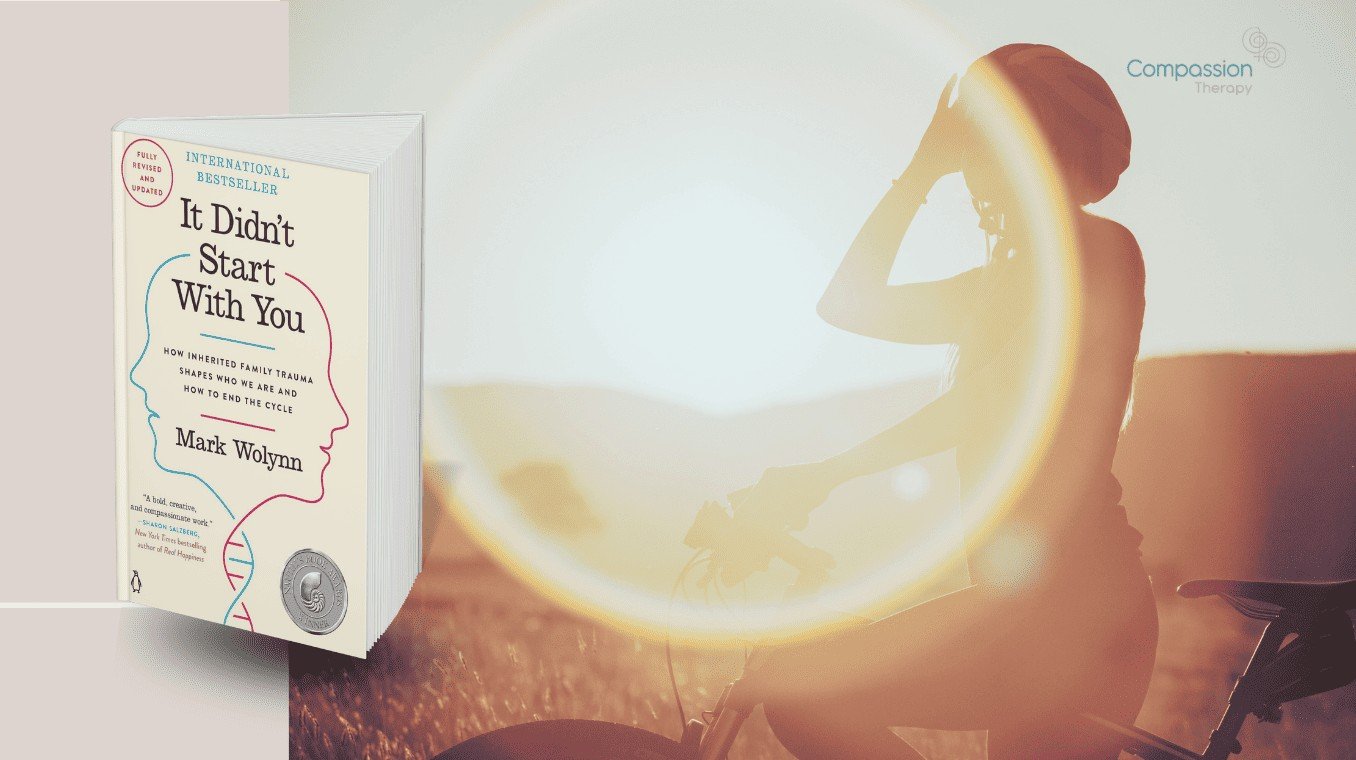
Många klienter kommer till Compassionate Inquiry™ med en känsla av att vara djupt trasiga, plågade av förlamande ångest, depression eller fobier som verkar helt frikopplade från deras faktiska livserfarenheter. Hur mycket de än rannsakar sig själva tycks ingenting förklara det. Mark Wolynns It Didn’t Start with You erbjuder ett svar som förändrar perspektivet: ibland tillhör smärtan vi bär inte oss alls. Med stöd i epigenetik och forskning om transgenerationellt trauma visar Wolynn att olöst lidande i tysthet kan vandra genom släktled. CI-arbetet erkänner redan hur läkning förstärks av att vi förstår våra relationella nätverk, som det beskrivs i CI:s modul 1, och Wolynn sträcker det nätverket bakåt i tiden. Han visar klienter att utforskandet av deras släkthistoria kan ge de saknade pusselbitarna till triggers som annars är obegripliga.
Sammanfattning av boken
Wolynn förklarar hur traumatiska erfarenheter, som krig, självmord eller tragiska tidiga dödsfall i släkten, lämnar ett epigenetiskt avtryck som kan föras vidare i minst tre generationer. Även om berättelserna hålls hemliga eller glöms bort ärvs de känslomässiga spåren biologiskt. Wolynn introducerar begreppet ”Core Language Map” (kärnspråkskartan) och visar hur en klients djupaste rädslor ofta speglar en förälders eller mor- eller farförälders olösta trauma. Genom att undersöka klientens ”kärnbeskrivningar” (hur hen beskriver sina föräldrar) och ”kärnmening” (det värsta hen fruktar skulle kunna hända) kan praktiker följa traumats spår tillbaka till dess ursprung. Läkning innebär att göra de omedvetna lojaliteterna medvetna och att i ord lämna tillbaka traumats börda dit den hör hemma.
Traumats epigenetiska arv
Forskningen har nu visat att trauma förändrar hur våra gener uttrycks. DNA-sekvensen förblir densamma, men de kemiska märkningarna (epigenetiska markörer) som sitter på DNA:t förändras vid extrem stress och förbereder avkomman på att vara överreaktiv. För CI-klienter kan detta ge en djup lättnad: din överkänslighet kan helt enkelt vara din biologi som fungerar precis som evolutionen programmerat den, formad av dina förfäders miljö långt innan du föddes.
Att gräva fram kärnmeningen
Wolynn lär att trauma visar sig genom vårt språk. En ”kärnmening” är ett uttryck för vår djupaste, mest kroppsliga rädsla, till exempel ”Jag kommer att bli inlåst och dö ensam.” Genom att noggrant granska kärnbeskrivningar och kärnmeningar kan CI-praktiker hjälpa klienter att se att de extrema rädslorna sällan stämmer med klientens nuvarande verklighet. CI arbetar i samma anda och undersöker ”tolkningar eller uppfattningar som är kopplade till känslor och innefattar en övertygelse som går att granska”, och visar hur ofta de övertygelserna i själva verket har ärvts snarare än förvärvats.
Genogrammet och brobyggande frågor
För att lösa upp traumat använder Wolynn genogrammet, ett släktträd över flera generationer som kartlägger tragedier, uteslutningar och tidiga separationer. Genom att hitta ”brobyggande frågor” utifrån kärnmeningen kopplas klientens nuvarande symtom till en specifik händelse i släkten. När källan har fått ett namn kan klienten gå in i kroppsligt förankrade, läkande dialoger (ofta i form av visualiseringar) för att hedra förfadern och bryta det omedvetna upprepningsmönstret.
Avslutning
Wolynns arbete är ett viktigt komplement till Compassionate Inquiry™ eftersom det lyfter av den tunga manteln av personligt misslyckande. När en CI-klient frågar ”Vem är jag utan mina begränsningar?” kan utforskandet av det transgenerationella traumat hjälpa hen att skilja sitt sanna Själv från släktens ärvda sorg. Till slut inser hen: Det började inte med mig, och det kan sluta med mig.