
Introducción
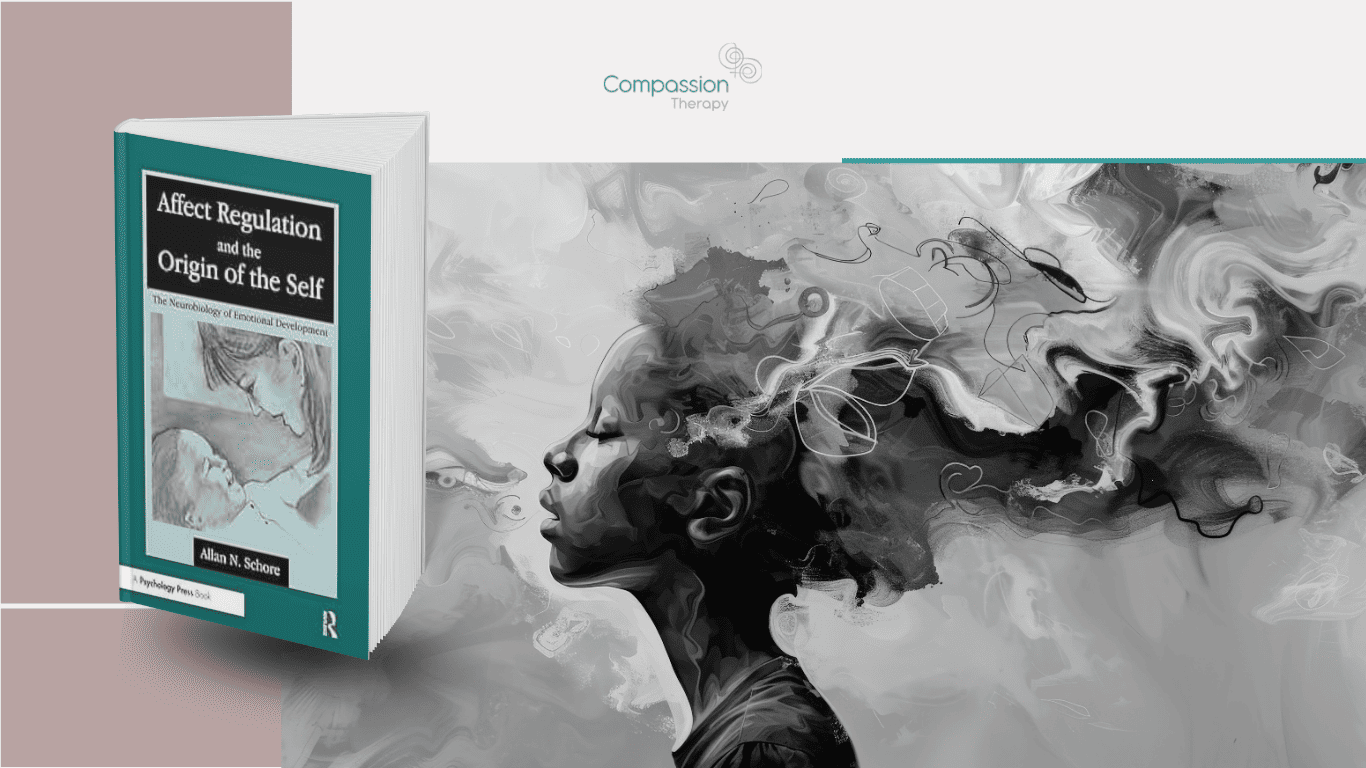
Antes de que un niño pueda formar un solo recuerdo consciente, la arquitectura de su vida emocional ya se está construyendo. La obra fundamental de Allan N. Schore en neurobiología interpersonal muestra que la capacidad de autorregulación, nuestra habilidad de por vida para gestionar el estrés y las emociones, no es algo que desarrollemos en aislamiento. Se esculpe a través de nuestras primeras experiencias relacionales, mucho antes de que llegue el lenguaje. Lo que hace que este libro sea tan pertinente para Compassionate Inquiry™© (CI) es la manera en que replantea por completo el trauma. En lugar de tratarlo como un “mal recuerdo” o una distorsión cognitiva, Schore demuestra que el trauma es una alteración fundamental de los procesos biológicos y energéticos del cerebro en desarrollo. Cuando un practicante de CI pide a un cliente que observe un desencadenante reciente y señale la secuencia concreta de hechos que lo precedió, en esencia lo está guiando de vuelta a los momentos precisos en los que se quebró la regulación afectiva temprana. Entender el marco de Schore ayuda a los clientes a reconocer que sus reacciones emocionales más intensas son respuestas biológicas profundamente arraigadas, no defectos de carácter, y ese reconocimiento por sí solo puede empezar a aliviar el peso de la vergüenza.
Resumen del libro
El exhaustivo texto de Schore detalla cómo el hemisferio derecho del bebé en desarrollo —la parte del cerebro encargada de procesar la información no verbal y emocional— queda literalmente esculpido por la propia capacidad de regulación afectiva del cuidador principal. El trauma psicológico, sostiene, no es solo una herida en la mente, sino una alteración de la energía biológica en el cerebro en crecimiento. El libro defiende con vigor que los seres humanos somos criaturas fundamentalmente sociales, biológicamente maleables y moldeadas desde el principio por nuestro entorno emocional inmediato. Cuando los cuidadores están desintonizados, ausentes o son una fuente de terror, el sistema nervioso del bebé no puede formar correctamente los circuitos necesarios para calmarse y procesar las emociones. El resultado es una vulnerabilidad de por vida a la hora de mantener el equilibrio fisiológico.
El hemisferio derecho se construye socialmente
Nuestras primeras interacciones se interiorizan como modificaciones fisiológicas permanentes del sistema nervioso. Schore demuestra que el cerebro derecho, dominante en los primeros años de vida, depende por completo del cerebro derecho de la madre (o del cuidador principal) para aprender a procesar tanto el estrés como la alegría. Que lleguemos a vivir el mundo como un refugio seguro o como un campo de batalla peligroso lo decide este cableado neurológico temprano, mucho antes de que podamos opinar conscientemente al respecto.
El trauma es un fallo de la regulación autonómica
El trauma del desarrollo no es simplemente un problema psicológico. Supone graves alteraciones en la capacidad adaptativa del cerebro para regular el malestar. Cuando en una sesión de CI se invita a un cliente a notar si sus sensaciones, emociones e impulsos llevan la huella de una respuesta de lucha, huida o congelación, está observando precisamente la desregulación autonómica que describe Schore. Sin un cuidador que lo regule durante el desarrollo, el sistema nervioso del bebé queda atrapado en un estado crónico de alerta máxima o de congelación y colapso, y esa vulnerabilidad no se desvanece sin más con la edad.
Sanar requiere sintonía fisiológica, no solo palabras
La comprensión intelectual, por mucho que haya costado alcanzarla, rara vez basta por sí sola para producir un cambio duradero. La investigación de Schore respalda la postura fundamental de Compassionate Inquiry™©: el terapeuta debe funcionar como un ancla emocional segura y regulada. Cuando el terapeuta sigue siendo reactivo o carece de arraigo emocional, se interrumpe la sintonía fisiológica que requiere una sanación verdadera. La propia relación terapéutica se convierte en una experiencia emocional correctiva, que ofrece la presencia estable y regulada que faltó en aquellos primeros años.
Conclusión
La obra de Schore ofrece a los clientes de CI algo profundamente liberador: saber que sus heridas más hondas y sus desencadenantes más perturbadores tienen raíces biológicas y no son prueba de debilidad personal. La verdadera sanación, confirma este libro, nos pide implicar al cerebro derecho, el que procesa las emociones del cuerpo, junto con una presencia terapéutica empática y profundamente sintonizada. El avance no está en volver a contar la historia con más precisión, sino en adentrarse en la realidad fisiológica que hay debajo de ella.