
Inledning
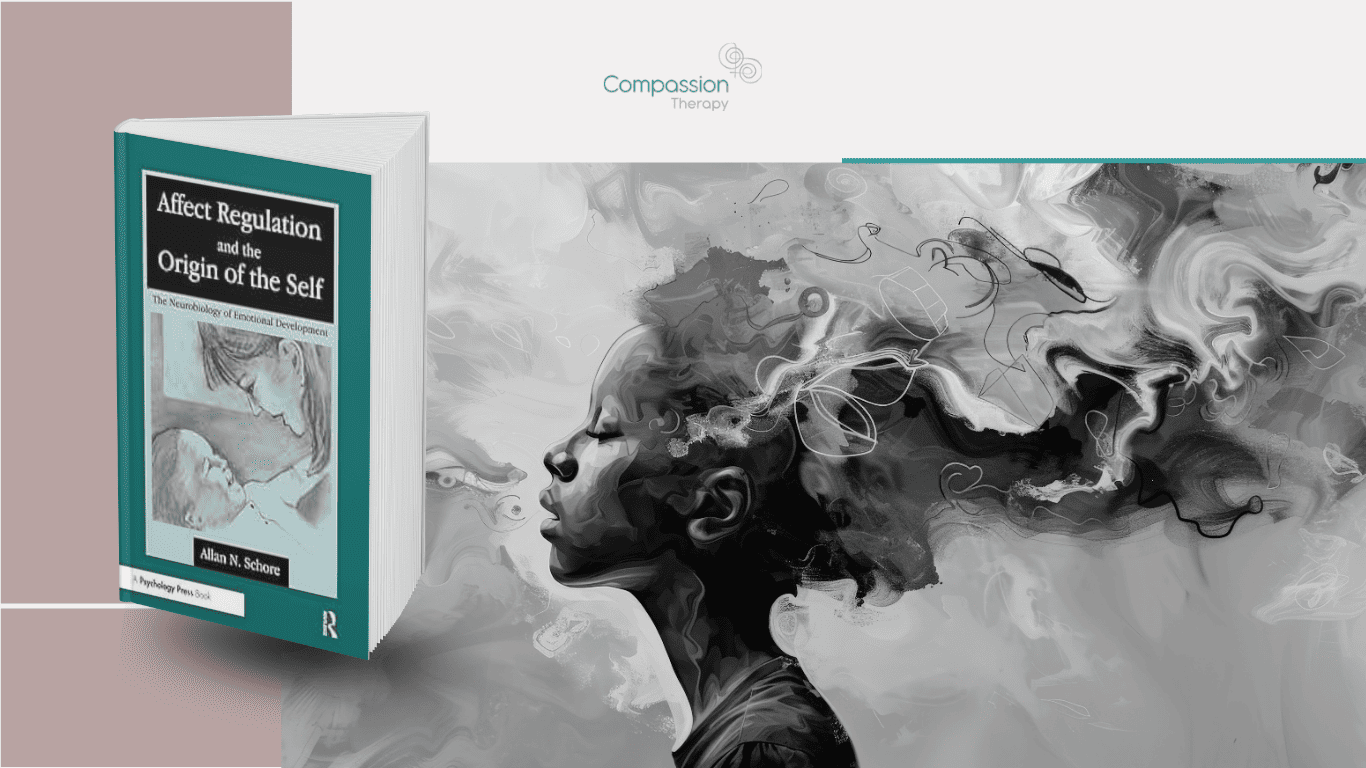
Innan ett barn kan bilda ett enda medvetet minne håller arkitekturen för dess känsloliv redan på att byggas. Allan N. Schores banbrytande arbete inom interpersonell neurobiologi visar att förmågan till självreglering, vår livslånga förmåga att hantera stress och känslor, inte är något vi utvecklar på egen hand. Den formas genom våra allra tidigaste relationella erfarenheter, långt innan språket finns. Det som gör boken så relevant för Compassionate Inquiry™© (CI) är att den helt omformulerar vad trauma är. I stället för att se det som ett ”dåligt minne” eller en kognitiv förvrängning visar Schore att trauma är en grundläggande störning av den växande hjärnans biologiska och energetiska processer. När en CI-praktiker ber klienten iaktta en nylig trigger och notera exakt vilken händelsekedja som föregick den, leder praktikern i själva verket klienten tillbaka till de ögonblick där den tidiga affektregleringen bröt samman. Att förstå Schores ramverk hjälper klienten att se att de mest intensiva känsloreaktionerna är djupt inkopplade biologiska responser, inte karaktärsbrister, och den insikten kan i sig börja lätta skammens tyngd.
Sammanfattning av boken
Schores omfattande verk beskriver hur spädbarnets växande högra hjärnhalva, den del av hjärnan som bearbetar icke-verbal och känslomässig information, bokstavligen formas av den primära omsorgspersonens egen förmåga till affektreglering. Psykologiskt trauma, menar han, är inte bara ett sår i psyket utan en störning av den biologiska energin i den växande hjärnan. Boken argumenterar kraftfullt för att människan i grunden är en social varelse, biologiskt formbar och präglad från allra första början av sin närmaste känslomässiga miljö. När omsorgspersoner är ur samklang, frånvarande eller en källa till skräck kan spädbarnets nervsystem inte koppla de kretsar som behövs för lugnande och känslomässig bearbetning. Resultatet blir en livslång sårbarhet när det gäller att hålla den fysiologiska balansen.
Den högra hjärnhalvan formas socialt
Våra tidigaste samspel lagras som bestående, fysiologiska förändringar i nervsystemet. Schore visar att den högra hjärnhalvan, som dominerar de första levnadsåren, är helt beroende av moderns (eller den primära omsorgspersonens) högra hjärnhalva för att lära sig hantera både stress och glädje. Om vi kommer att uppleva världen som en trygg hamn eller ett farligt slagfält avgörs av den här tidiga neurologiska kopplingen, långt innan vi har något medvetet att säga till om.
Trauma är ett sammanbrott i den autonoma regleringen
Utvecklingstrauma är inte bara en psykologisk fråga. Det innebär allvarliga störningar i hjärnans förmåga att anpassa sig och reglera påfrestningar. När en klient i en CI-session bjuds in att lägga märke till om förnimmelser, känslor och impulser bär spår av en kamp-, flykt- eller frysrespons, iakttar hen just den autonoma dysreglering som Schore beskriver. Utan en reglerande omsorgsperson under uppväxten förblir spädbarnets nervsystem fast i kroniskt högt larmläge eller kollapsad frysning, och den sårbarheten försvinner inte bara med åldern.
Läkning kräver fysiologisk samstämning, inte bara ord
Intellektuell insikt, hur hårt vunnen den än är, räcker sällan på egen hand för att skapa bestående förändring. Schores forskning bekräftar den grundhållning som bär Compassionate Inquiry™©: terapeuten behöver fungera som ett tryggt, reglerat känslomässigt ankare. När terapeuten själv är reaktiv eller känslomässigt ogrundad bryts den fysiologiska samstämning som verklig läkning kräver. Den terapeutiska relationen blir i sig en korrigerande känslomässig erfarenhet, med den stabila, reglerade närvaro som saknades under de allra första åren.
Avslutning
Schores arbete ger CI-klienter något befriande: vetskapen att deras djupaste sår och mest omskakande triggers har biologiska rötter och inte är tecken på personlig svaghet. Verklig läkning, bekräftar boken, kräver att vi engagerar kroppens känslobearbetande högra hjärnhalva tillsammans med en djupt samstämd, empatisk terapeutisk närvaro. Framsteg finns inte i att återberätta historien med ännu större precision, utan i att röra sig in i den fysiologiska verklighet som ligger under den.