
Inledning
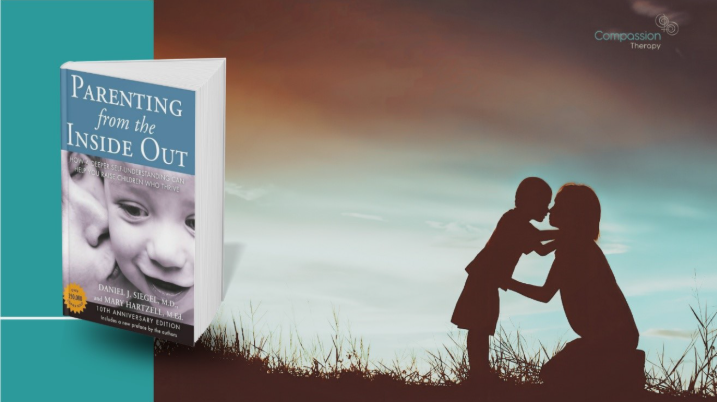
Hur vi förstår vår egen barndom är den enskilt starkaste prediktorn för hur vi kommer att relatera till våra barn – och i slutändan till oss själva. Den insikten ligger i hjärtat av Daniel J. Siegel och Mary Hartzells Parenting from the Inside Out, en bok som med både vetenskaplig stringens och djup medmänsklighet spårar hur känslomässig hälsa förs vidare mellan generationer. I Compassionate Inquiry™ (CI) möter praktiker ofta klienter som kommer med svårigheter i föräldraskapet, bara för att upptäcka att frustrationen de känner mot sina barn i själva verket är ett ointegrerat eko av deras eget förflutna. I CI:s modul 3 bjuder terapeuter in klienter att fråga sig: ”Vilka berättelser hittar du på om ditt nuvarande liv? Skriv ner dem.” Siegel och Hartzells arbete ger det neurobiologiska ramverket för varför vi hittar på de berättelserna över huvud taget. Om vi inte medvetet reder ut berättelsen om vår egen uppväxt kommer vi oundvikligen att projicera vår obearbetade smärta på nästa generation.
Sammanfattning av boken
Parenting from the Inside Out förenar utvecklingspsykologi med interpersonell neurobiologi för att förklara hur förälderns hjärnutveckling direkt påverkar barnets anknytningstrygghet. Författarna visar att obearbetat trauma och känslomässig smärta ger en fragmenterad berättelse. När en förälder inte har kommit till rätta med sin egen historia kan vardagliga påfrestningar i föräldraskapet, som ett barns utbrott eller trots, väcka primitiva försvarsmekanismer. I stället för att möta barnet med samstämmighet reagerar föräldern med samma kamp-, flykt- eller frysreaktioner som hen själv förlitade sig på i barndomen. Boken visar hur det att återberätta en överväldigande upplevelse, och att bekräfta både innehållet och känslorna, hjälper både barn och vuxna att integrera sina hjärnor och finna verklig tröst.
”Den låga vägen” kontra integrerande bearbetning
Siegel och Hartzell introducerar begreppet ”den låga vägen” (the low road), som uppstår när inre eller yttre triggers får självreflektion, samstämmighet och mindsight att stängas av helt. På den låga vägen agerar föräldrar utifrån instinktiv överlevnad snarare än rationellt tänkande. En central del av CI-kartan är att hjälpa klienter att ”skilja mellan det som faktiskt hände dem som barn och deras tolkning av det som hände”. Att känna igen när man glider ner på den låga vägen gör det möjligt för klienten att förstå att den ilska eller panik hen känner nu i själva verket är en historisk tolkning av ett tidigare hot, inte en verklighet här och nu.
Växlande frånkoppling och relationsbrott
En sund relation är inte en relation utan konflikter. Det är en relation där det som gått sönder går att reparera. Siegel och Hartzell betonar att kontakten mellan förälder och barn alltid är i rörelse och ger upphov till det de kallar ”växlande frånkoppling och godartade brott”. När föräldrar känner sig överväldigade av barnets behov kopplar de ofta bort känslomässigt. CI hjälper klienter att spåra de här brotten tillbaka till deras ursprung. Med utgångspunkt i CI:s modul 7, som frågar ”Vad kan du nu säga till dig själv för att vara mer medkännande?”, kommer klienterna till insikt om att de inte kan erbjuda sina barn verklig reparation förrän de har lärt sig att varsamt reparera brotten i sitt eget inre familjesystem.
Att tillsammans skapa en sammanhängande berättelse
För att hjälpa ett barn att bearbeta något svårt, vare sig det är ett skrubbsår eller separationsångest, måste den vuxna kunna återberätta det som hänt och väva samman både fakta och känslor. Men föräldrar kan inte göra det om de är skräckslagna inför sina egna känslor. I CI är den terapeutiska ramen det rum där den vuxna klienten äntligen får berätta sin egen osammanhängande historia för ett lyhört vittne. När de implicita minnena bryts ner och smärtan får ord kopplar hjärnan bokstavligen om sig själv.
Avslutning
Parenting from the Inside Out tar bort skulden kring ”dåligt föräldraskap” och ersätter den med vetenskaplig förståelse, vilket gör boken till en verkligt befriande text för alla som går igenom CI-processen. Den bekräftar CI-arbetssättet på alla nivåer: när vi modigt gräver i vårt eget förflutna frigör vi oss från våra reaktiva triggers. Genom att läka oss själva bryter vi kedjan av generationsöverskridande trauma och ger våra barn den största gåva som finns. En fullt närvarande, integrerad och trygg förälder.